
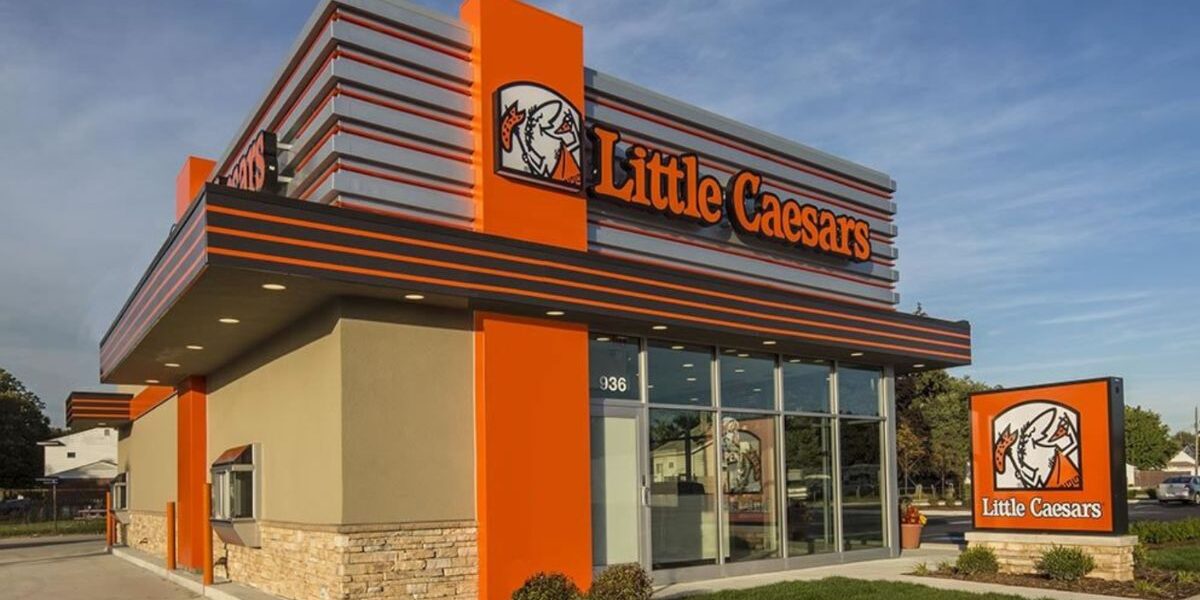

Behind every high-performing franchise operation is a combination of disciplined execution, strategic thinking, and long-term alignment. In the competitive quick-service pizza segment, one entrepreneurial couple has built a strong multi-unit presence by leveraging the Little Caesars franchise system while applying their own leadership principles, operational rigor, and growth mindset. Their journey demonstrates how franchising, when treated as a business rather than a side investment, can generate sustainable results.
From First Investment to Scalable Growth
The couple entered franchising with a clear goal: partner with a nationally recognized brand that offered operational efficiency, strong consumer demand, and a proven playbook. Little Caesars stood out for its value-driven positioning, streamlined kitchen design, and consistent foot traffic.
What began as a single location evolved into a growing portfolio through:
- Hands-on ownership and performance monitoring
- Reinvestment of profits into additional units
- Data-backed decisions rather than speculative expansion
Instead of rushing growth, they focused on operational mastery at each stage. This approach allowed them to stabilize margins, optimize labor, and maintain consistent customer experience across locations.
Why the Little Caesars Model Supports Owner-Operators
The Little Caesars business model is designed for scalability. Its operational simplicity enables franchisees to focus on execution and management rather than unnecessary complexity.
Key structural advantages include:
- Limited menu offerings that simplify inventory and reduce waste
- High-volume, carryout-focused sales that improve speed and turnover
- Standardized operating systems that shorten training cycles
- Cost-efficient store footprints compared to traditional dine-in concepts
These efficiencies allowed the owners to shift their focus from daily problem-solving to leadership development, performance tracking, and long-term planning.
Clear Role Allocation: A Partnership Built on Structure
A major contributor to their success was the clear division of responsibilities within the partnership. Each partner took ownership of specific functions, reducing overlap and improving accountability.
Their operational structure included:
- One partner leading daily operations, staffing, and store performance
- One partner overseeing financial management, compliance, vendor relations, and growth planning
By separating responsibilities and aligning on goals, they created a professional decision-making environment driven by metrics, benchmarks, and repeatable systems rather than emotion.
Scaling Through Systems, Not Shortcuts
As the franchise portfolio expanded, the couple prioritized systemization. Every new location followed the same operational framework to ensure consistency and predictability.
Key systems implemented included:
- Standardized hiring and onboarding procedures
- Manager performance benchmarks and incentive structures
- Routine financial reviews and cost controls
- Operational checklists to maintain brand standards
This disciplined approach ensured that each new unit mirrored the success of existing locations instead of introducing operational risk.
Key Takeaways for Aspiring Franchise Investors
Their journey offers practical lessons for individuals and couples considering franchise ownership:
- Choose a brand with a simple, scalable operating model
- Treat franchising as an active business, not passive income
- Define roles clearly when entering a partnership
- Focus on systems, consistency, and execution over rapid expansion
Franchising success is rarely accidental. It is built through structure, accountability, and disciplined growth.
A Blueprint for Sustainable Franchise Ownership
Today, the couple’s Little Caesars operation reflects what can be achieved when strong ownership meets a proven franchise platform. Their experience highlights franchising as a viable path for partners who share a vision and are committed to operational excellence.