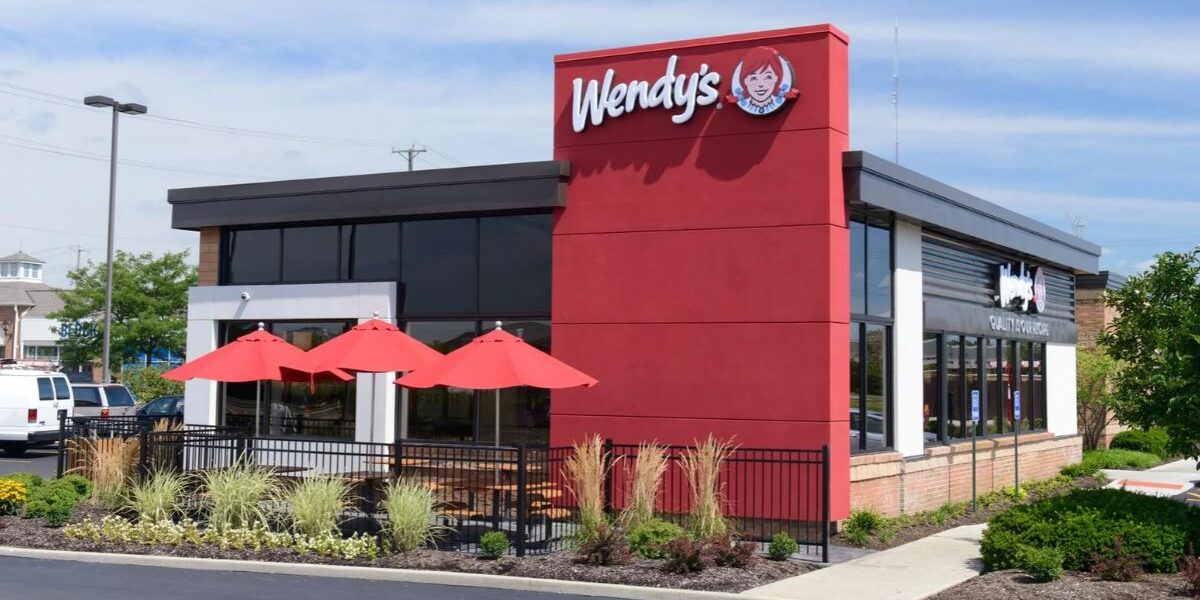

Wendy’s and Meritage Franchise Dispute Exposes the Hidden Risks of Multi-Unit Ownership
The bankruptcy of a major Wendy’s operator and its planned sale of 42 restaurants offer a revealing look at franchise profitability, contractual obligations, and the challenges of managing a large restaurant business.
Owning one successful franchise restaurant is an achievement. Managing hundreds of locations is an entirely different business.
It requires substantial capital, sophisticated operating systems, experienced leadership, and the ability to absorb unexpected financial setbacks.
The difficulties facing Meritage Hospitality Group demonstrate how even an established multi-unit franchise operator can encounter serious challenges when restaurant economics begin moving in the wrong direction.
Meritage, which once controlled one of the largest Wendy’s restaurant portfolios in the United States, is currently navigating bankruptcy proceedings while attempting to sell a portion of its restaurant business.
Its latest proposed transaction involves 42 Wendy’s restaurants valued at approximately $18.6 million.
But the potential sale is only part of the story.
A legal disagreement with Wendy’s over franchise termination rights has introduced additional uncertainty about the operator’s ability to control, transfer, and continue operating its restaurants.
How a Major Wendy’s Franchise Operator Reached This Point
Meritage Hospitality Group spent decades expanding its presence in the quick-service restaurant sector.
Through acquisitions and restaurant development, the company assembled a substantial Wendy’s portfolio across numerous states.
The strategy was built around a familiar franchise growth model: acquire existing restaurants, establish regional operating efficiencies, and expand the business through additional locations.
For years, that approach supported Meritage’s growth.
However, the operating environment changed.
Higher ingredient costs, softer customer demand, and intense competition began affecting restaurant profitability.
By 2025, the financial impact had become difficult to ignore.
Meritage reported approximately $617.7 million in annual revenue, but the company also recorded a net loss of roughly $31.5 million.
The contrast is important.
A business can generate hundreds of millions of dollars in sales and still struggle to meet its financial obligations.
Revenue may demonstrate scale, but it does not necessarily indicate financial strength.
Why Meritage Is Selling Wendy’s Restaurants
Following its September 2026 Chapter 11 bankruptcy filing, Meritage began pursuing measures intended to stabilize its financial position.
One of those measures is a proposed sale of 42 Wendy’s restaurants in Tennessee, Arkansas, Mississippi, and Missouri.
The identified buyer, Divine Infinity Operations, has agreed to a proposed transaction valued at approximately $18.6 million, subject to the required approvals and conditions.
The sale could help reduce Meritage’s operating footprint while preserving restaurant activity under a different owner.
It could also generate funds for the restructuring process and potentially support payments toward outstanding obligations.
For an operator facing financial distress, selling restaurants can sometimes be more effective than attempting to rehabilitate every location.
However, the success of that strategy depends on the quality of the assets, the availability of qualified buyers, and the contractual rights governing their transfer.
The Disagreement Between Wendy’s and Meritage
The most complicated part of this case involves the relationship between the franchisor and franchisee.
Wendy’s attempted to terminate Meritage’s franchise agreements on September 16, 2026.
The following day, Meritage filed for bankruptcy protection.
Wendy’s alleges that the operator accumulated approximately $146.9 million in financial obligations, including unpaid royalties and other fees as well as continuous-operation charges.
Meritage disputes the effectiveness of the termination and has sought to preserve its franchise rights during the restructuring.
The legal issue is particularly important because a franchisee does not own the underlying brand.
A franchise agreement grants the operator contractual permission to use the franchisor’s intellectual property and operating system, subject to specific conditions.
Those conditions can include financial reporting, royalty payments, operating standards, approved ownership structures, and restrictions on transferring the business.
If an agreement is validly terminated, the operator may lose the right to conduct business under that brand.
That is why the dispute could have major consequences for Meritage’s restructuring strategy.
The Difference Between Owning a Restaurant and Owning a Franchise
This case highlights a distinction that prospective franchise buyers sometimes overlook.
Purchasing a franchise restaurant is not the same as acquiring unrestricted ownership of an independent business.
A franchisee may own equipment, inventory, and certain business assets while leasing the premises and operating under a licensed brand.
The franchisor retains contractual rights that can affect how the business is managed, transferred, or closed.
For example, a franchisee interested in selling a restaurant may need approval from the brand before completing the transaction.
The buyer may also be required to satisfy financial qualifications, complete training, and agree to the franchisor’s applicable terms.
These provisions are common features of franchise systems, but their practical significance becomes especially apparent during financial distress.
The Meritage dispute illustrates why prospective operators should review franchise agreements carefully and obtain appropriate professional advice before committing capital.
Why High Sales Do Not Always Translate Into Strong Profits
Restaurant businesses are particularly sensitive to operating expenses.
Food costs, labor, occupancy, insurance, utilities, royalties, advertising contributions, and equipment maintenance all affect profitability.
A restaurant with strong customer traffic can still experience financial pressure if these costs increase faster than revenue.
The problem becomes more serious when the operator manages hundreds of restaurants.
For instance, an additional $2,000 in monthly expenses at one restaurant may appear manageable.
Across 300 locations, however, that hypothetical increase represents $600,000 per month, or $7.2 million annually.
This simple calculation illustrates the financial exposure created by large-scale operations.
It also explains why multi-unit franchisees need detailed financial reporting and the ability to identify underperforming locations quickly.
Restaurant Closures Can Create Unexpected Financial Obligations
Meritage had already closed approximately 60 underperforming Wendy’s restaurants beginning in late 2025.
Additional closures have become part of the company’s restructuring discussions.
At first glance, closing a restaurant that consistently loses money may seem like an obvious decision.
In practice, the process can be complicated.
Commercial leases may impose financial obligations that continue after a restaurant stops operating.
Employee-related expenses, inventory losses, and equipment removal can add to closure costs.
Franchise agreements may also contain requirements relating to continuous operation, de-identification, and termination.
In Meritage’s case, Wendy’s has asserted substantial continuous-operation fees connected with restaurant closures.
The dispute demonstrates why operators should understand their contractual exit obligations before opening or acquiring multiple locations.
What Prospective Franchise Buyers Should Take Away
The Meritage situation should not be interpreted as evidence that multi-unit franchising is inherently unsuccessful.
Many franchise operators build sustainable businesses through disciplined expansion and effective restaurant management.
The lesson is that growth must be supported by sound financial fundamentals.
Before acquiring a franchise, investors should examine the economics of individual locations, the capital required to maintain operations, and the risks associated with debt financing.
For existing restaurant acquisitions, historical revenue is only one part of the analysis.
Buyers should understand profitability, cash flow, staffing costs, lease commitments, local competition, and the condition of restaurant equipment.
It is equally important to assess the franchisor’s support structure and the contractual terms governing future operations.
A strong franchise investment should be evaluated on its ability to produce sustainable returns, not simply on brand recognition or the number of restaurants available for purchase.
Could the Meritage Restructuring Create Franchise Acquisition Opportunities?
Large restaurant restructurings can create opportunities for financially qualified franchise operators.
A distressed portfolio may contain restaurants with attractive locations, established customer relationships, and meaningful turnaround potential.
Experienced operators may be able to improve performance through better cost controls, management systems, employee training, and local marketing.
However, acquiring distressed restaurants is rarely a passive investment.
It may require substantial working capital, operational expertise, and additional investment in facilities or equipment.
Franchisor approval and the resolution of outstanding contractual issues are also critical.
The proposed acquisition of 42 Wendy’s restaurants demonstrates that buyers may remain interested in established restaurant assets even when the current operator is experiencing financial difficulties.
Whether those assets ultimately produce attractive investment returns will depend on the buyer’s execution and the economics of the individual locations.
A Broader Lesson About Franchisor-Franchisee Relationships
Franchising is built on a commercial partnership.
The franchisor provides the brand, operating framework, and contractual system, while the franchisee supplies capital and manages the business.
Both parties have responsibilities, and both depend on the success of the restaurant network.
When financial performance deteriorates, disagreements over obligations, operating decisions, and contractual rights can become more difficult to resolve.
The Wendy’s and Meritage dispute illustrates how those tensions can escalate during a bankruptcy.
For franchise operators, maintaining transparent communication with the franchisor and addressing financial problems early can be important elements of risk management.
For franchisors, the financial stability of large franchise partners is closely connected to the long-term health of the system.
The Future of Meritage and Its Wendy’s Restaurants
The proposed restaurant sale represents a potential step toward reducing Meritage’s financial exposure.
However, the company’s long-term future remains uncertain while bankruptcy proceedings and the franchise agreement dispute continue.
Court decisions, creditor negotiations, asset sales, and operational restructuring will help determine what happens to its remaining restaurants.
The case offers a valuable lesson for entrepreneurs and franchise investors.
Building a large franchise business requires more than access to capital and an ambitious expansion strategy.
It requires profitable locations, responsible financing, operational discipline, and a clear understanding of the legal agreements that govern the business.
Ultimately, sustainable franchise ownership is measured not by how many restaurants an operator controls, but by whether those restaurants can consistently generate sufficient cash flow to support the business over time.
Learn more about Wendy’s Franchise opportunities.