
Two Legal Battles Put Slim Chickens Franchise Operations Under Scrutiny
Slim Chickens has spent years building its presence in the competitive chicken restaurant market, but recent legal developments are drawing attention to another side of running a large franchise network.
A longtime multi-unit franchisee is preparing to revive a lawsuit against the franchisor, while an unrelated South Dakota franchise operator faces a federal employment discrimination case.
Although the disputes involve different companies and very different accusations, they both highlight the complexity that comes with growing a franchise brand across hundreds of independently operated restaurants.
Franchisee Says Dispute With Slim Chickens Is Not Over
Gary Grewe’s R-Solution franchise group has indicated that its legal fight against Slim Chickens Development Company will continue.
R-Solution previously filed a major lawsuit against the franchisor in Arkansas alleging fraud, misleading business representations and contractual violations.
That case was dismissed without prejudice, leaving the franchisee free to file another complaint.
The next round could be bigger.
R-Solution intends to return to court with additional franchisees expected to participate as plaintiffs.
The ownership group currently operates 10 Slim Chickens locations spread across Missouri, Illinois and Kentucky.
It says more than $15 million was invested in building the portfolio.
The central disagreement is simple even though the legal arguments are complicated: R-Solution says the economics it encountered after becoming a franchisee were very different from what it believed it was buying into.
Slim Chickens strongly disputes that claim.
A Fight Over What Franchisees Were Told
R-Solution’s earlier lawsuit alleged that the franchise opportunity was promoted using financial information that placed disproportionate attention on high-performing restaurants.
The group argued that those numbers contributed to expectations that proved difficult to achieve at its own locations.
After investing in the system, R-Solution says its restaurants required millions of dollars in additional financial support.
Slim Chickens has rejected the franchisee’s accusations and has maintained that R-Solution’s difficulties are tied to its own performance rather than problems with the franchise model.
That difference in perspective is common in franchise disputes.
A franchisor may point to successful locations as evidence that the model works. A struggling franchisee may argue that the opportunity was presented without enough emphasis on the financial risks or the range of possible outcomes.
Determining where responsibility belongs can be difficult because restaurant performance depends on many factors, including real estate, financing, labor, local marketing, food costs, execution and management.
A previous ruling dismissed certain fraud allegations involving average unit volume claims.
The overall case was later dismissed without prejudice, however, allowing R-Solution to start again.
If more franchisees participate in the next filing, it may become harder for either side to characterize the disagreement as an isolated operator-versus-franchisor dispute.
The Disagreement Goes Beyond Sales
R-Solution has also challenged several operational decisions made by Slim Chickens.
Its earlier lawsuit raised concerns involving the chain’s chicken supply, approved vendors, royalties and development rights.
The franchisee argued that changes to chicken products increased costs and operational difficulties.
It also questioned whether certain marketing descriptions involving food freshness and sauces accurately reflected what was being served in restaurants.
Another dispute centered on approved suppliers.
Franchise systems often tightly control suppliers because consistency is critical when hundreds of restaurants operate under one name.
But franchisees are also under constant pressure to protect margins.
When food and labor expenses rise, even a relatively small difference in product costs can have a major effect across a 10-unit restaurant portfolio.
R-Solution claimed it identified a poultry supplier that could substantially reduce its costs but was unable to obtain the approvals it wanted.
Royalty calculations and development decisions created additional tension between the parties.
All of these claims remain allegations. Slim Chickens has denied wrongdoing.
A Completely Separate Case in South Dakota
At roughly the same time, another Slim Chickens franchisee became involved in a very different legal matter.
The U.S. Equal Employment Opportunity Commission filed a lawsuit against TNT Chicken Inc., which operates Slim Chickens restaurants in Sioux Falls, South Dakota.
TNT Chicken is separate from R-Solution, and the EEOC lawsuit does not accuse R-Solution of any misconduct.
The federal agency alleges that a Black female employee at a Sioux Falls restaurant experienced repeated racial and sexual harassment.
According to the complaint, the alleged conduct began in November 2023 and involved a shift lead who made offensive comments and threats.
The EEOC says the employee reported what was happening to management.
The agency alleges that management failed to stop the behavior and that the employee later experienced retaliation, including having her working hours reduced.
The worker eventually resigned, according to the complaint.
The EEOC filed the lawsuit under Title VII, the federal law that prohibits employment discrimination based on characteristics including race and sex and also protects employees from retaliation for reporting unlawful conduct.
The case is against TNT Chicken, not Slim Chickens Development Company.
The Brand Name Still Connects the Experience
The distinction between franchisor and franchisee matters legally.
To a customer or employee, however, that distinction may be far less obvious.
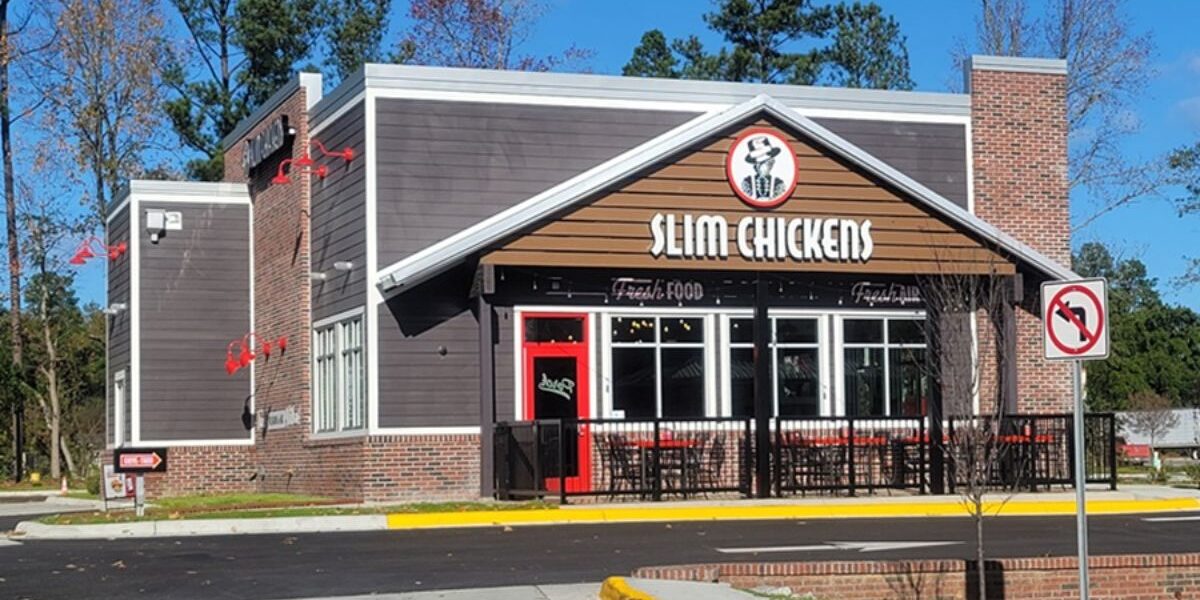
They see Slim Chickens on the sign.
This is one of the biggest challenges in franchising.
The model allows a company to expand using investment and management from independent business owners. But each of those owners also becomes a representative of the brand in the eyes of the public.
One franchisee can create an exceptional operation that strengthens the system.
Another can create problems that reach far beyond a single restaurant.
That is why franchise growth must include more than franchise sales.
Brands need systems for franchisee selection, training, field support, financial monitoring, leadership development and workplace standards.
Franchisees, in turn, need to understand that buying a recognized name does not remove the responsibilities that come with operating a business.
A Due Diligence Lesson for Franchise Buyers
The R-Solution dispute also provides an important reminder for anyone considering a franchise investment.
Average unit sales are valuable, but they should never be the only numbers examined.
A prospective franchisee needs to understand what remains after food costs, payroll, rent, royalties, advertising fees, delivery commissions, debt payments and other expenses.
It is also important to speak directly with franchise owners at different performance levels.
Talking only with top-performing operators can produce an incomplete picture.
Prospective buyers should try to understand why successful franchisees are successful and why struggling franchisees are struggling.
No franchise system will have identical results across every location.
The goal of due diligence is not to find a business without risk. It is to understand those risks before committing capital.
Slim Chickens continues to expand and remains a significant player in the fast-casual chicken market.
Neither the R-Solution allegations nor the EEOC allegations should be treated as proven simply because lawsuits have been filed.
But both deserve attention.
R-Solution’s next filing could reveal whether its concerns are shared by a wider group of operators, while the South Dakota employment case raises separate questions about management practices inside an independently operated restaurant group.
For a franchise system, sustainable growth ultimately comes down to more than store count.
It depends on whether franchise owners, employees and customers continue to have confidence in the businesses operating behind the brand.
Learn more about Slim Chickens Franchise opportunities.