
Logan’s Roadhouse Acquisition Sparks Major Franchise Conflict
A high-profile legal battle between Applebee’s and one of its largest franchise operators is raising important questions about competition, territorial rights and ownership restrictions within the restaurant franchise industry.
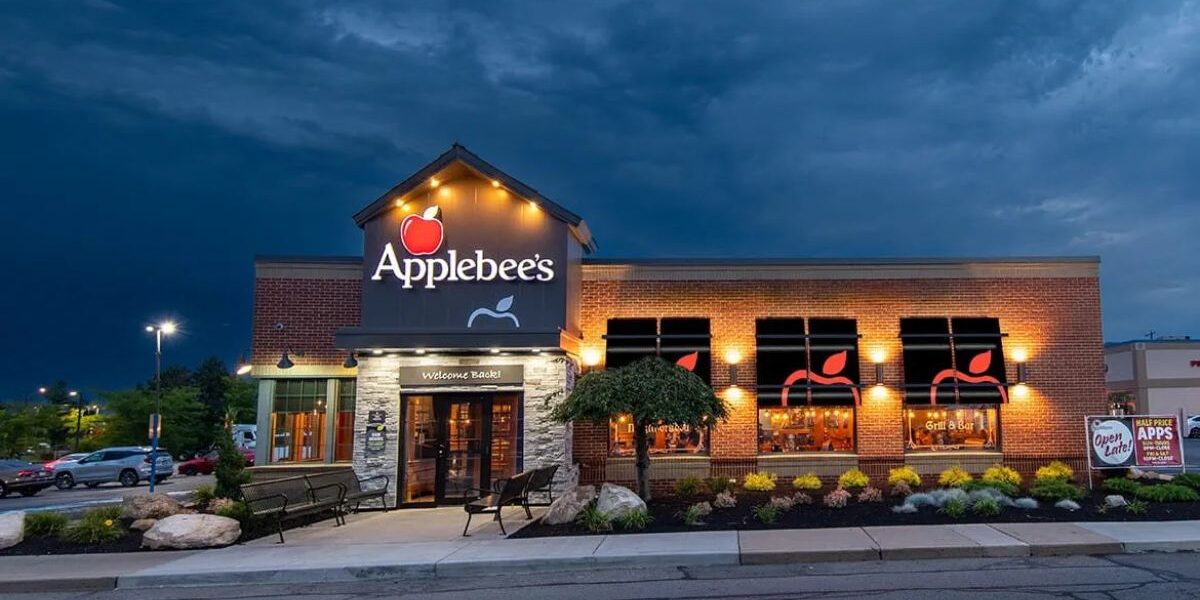
Applebee’s recently filed a counterclaim against franchisee Sunil Dharod and SSCP Management, alleging the group violated franchise agreements by purchasing Logan’s Roadhouse, a 115-unit casual steakhouse chain.
The franchisor is now asking the court to force the franchisee group to sell its ownership stake in Logan’s, arguing the acquisition breaches non-compete provisions tied to Applebee’s franchise agreements.
The dispute arrives during an already tense relationship between the two sides after SSCP-affiliated franchise groups previously sued Applebee’s over its expanding dual-brand restaurant strategy with IHOP.
Applebee’s Claims Logan’s Directly Competes With Its Restaurants
According to court filings, Applebee’s believes Logan’s Roadhouse competes directly with its core casual dining business.
The company argues both restaurant concepts operate within the same category by offering dine-in and takeout experiences focused on steaks, burgers, sandwiches, seafood and alcoholic beverages.
Applebee’s claims the franchise agreements signed by Dharod and related entities prohibit ownership interests in businesses considered direct competitors to the Applebee’s system.
Sunil Dharod serves as founder and CEO of SSCP Management, which operates 79 Applebee’s restaurants across Texas, California and Virginia. The company also owns or manages multiple restaurant brands including Roy’s, Cicis, Corner Bakery and Sonic Drive-Ins.
The acquisition of Logan’s Roadhouse International in late 2025 intensified concerns within the Applebee’s system, leading to the recent counterclaim.
Franchisee Previously Sued Over Dual-Brand Restaurant Expansion
Earlier this year, Apple Texas and Apple Houston filed lawsuits against Applebee’s connected to the company’s dual-brand expansion initiative involving Applebee’s and IHOP restaurants.
The franchisees argued that Applebee’s approved a co-branded location inside territories protected under earlier development agreements.
Dine Brands, parent company of both Applebee’s and IHOP, has been expanding the dual-brand concept internationally for several years before launching the format in the United States market during 2025.
The company maintains the strategy provides additional growth opportunities and operational efficiencies across its restaurant portfolio.
Dine Brands Continues Supporting Expansion Plans
Executives at Dine Brands defended the company’s position and reiterated support for continued expansion of the dual-brand model.
Leadership stated the company continues working collaboratively with franchise operators while also enforcing contractual obligations designed to protect the system.
Applebee’s also stated in legal filings that the franchisee involved in the dispute is not currently in good standing under the franchise agreement.
Development Agreements in Texas Under Scrutiny
A major part of the case centers around long-standing development rights in Texas.
Apple Texas entered the Applebee’s franchise system in 2008 after acquiring 37 restaurants and securing exclusive development rights across 46 counties, including parts of the Dallas-Fort Worth and Waco regions.
Apple Houston later expanded into the system in 2012 by acquiring 21 locations and obtaining development rights across another 50 Texas counties that included Houston and Austin.
Applebee’s alleges the franchise groups failed to meet obligations requiring new restaurant development inside those territories. According to the franchisor, Apple Texas opened only one additional location while multiple units closed, and Apple Houston allegedly failed to open new restaurants while several existing stores shut down.
The company argues those failures terminated the original development rights years ago.
The franchisee groups disagree, claiming amendments signed in 2022 changed the original development requirements and preserved their territorial protections.
Franchisee Says Logan’s Operates Differently Than Applebee’s
In defending the Logan’s acquisition, SSCP argued the steakhouse chain serves a different customer base and business model compared to Applebee’s.
The legal filings pointed to Logan’s stronger focus on premium steak products such as ribeye, filet mignon and New York strip offerings.
According to the complaint, steak purchases account for approximately 60% of customer orders at Logan’s locations, while only about 11% of customers at the involved Applebee’s restaurants purchase steak items.
The franchisee also argued Applebee’s has previously permitted other franchise groups to own competing restaurant brands without raising objections.
Examples mentioned in the filings included ownership ties involving Logan’s Roadhouse and casual dining brand Bar Louie.
Case Could Impact Future Franchise Agreements
The lawsuit is being closely watched because it touches on several important issues affecting modern franchising, including dual-brand development, non-compete enforcement and multi-brand ownership strategies.
As restaurant operators increasingly diversify across multiple concepts, franchisors are facing more pressure to clearly define what qualifies as direct competition inside franchise agreements.
The final outcome of the case may influence how future restaurant franchise contracts handle competitive ownership restrictions and territorial rights.