
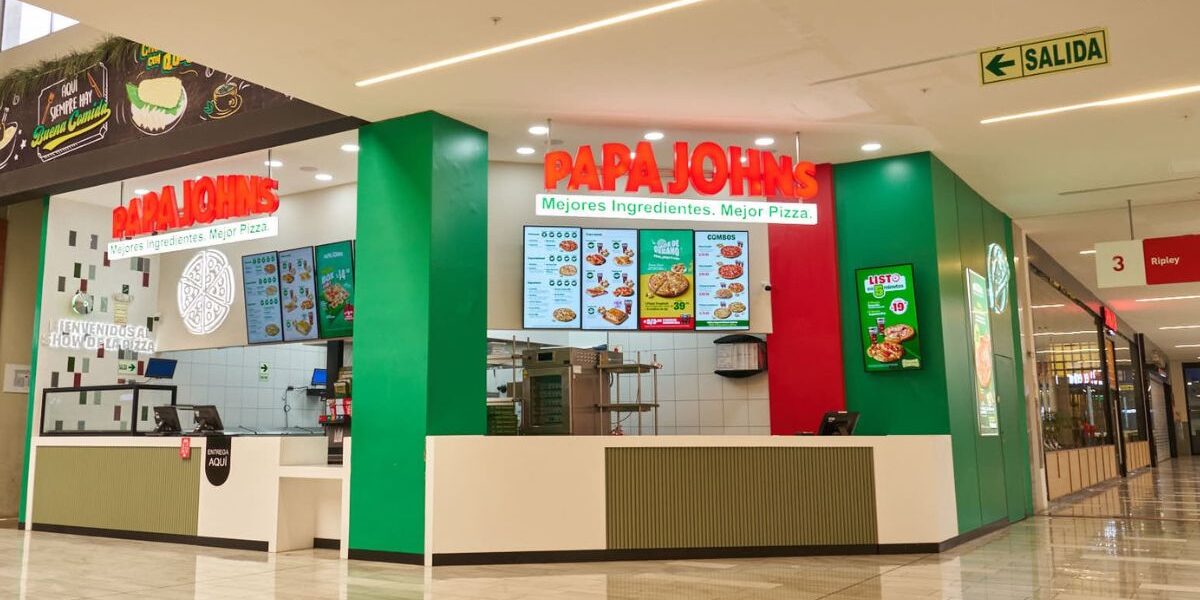

Papa Johns Refranchises 28 Orlando Stores as 2026 Turnaround Accelerates
Papa Johns is moving quickly to reshape its business after a difficult first half of 2026, and its latest Orlando franchise deal provides another sign of how the company plans to move forward.
Twenty-eight restaurants previously owned and operated by Papa Johns in the Orlando area have been transferred to PZZA Group and Magic City Pizzerias, two franchise organizations led by veteran operator Wade Oney.
The transaction increases Oney’s Papa Johns portfolio to more than 120 restaurants while reducing the number of locations operated directly by the company.
It also comes during a period of unusually active change at Papa Johns, including weaker North American sales, restaurant portfolio adjustments, new executive appointments and a greater emphasis on franchise partnerships.
Why Papa Johns Is Refranchising Orlando
Papa Johns signed an agreement for the Orlando restaurants in June and completed the transaction in August.
The original sale price was approximately $10.8 million, excluding transaction costs and subject to customary closing adjustments.
Refranchising allows Papa Johns to move the responsibility for operating the restaurants to an independent franchise organization while maintaining the locations within the brand’s system.
This can reduce the company’s direct exposure to restaurant-level operating costs and allow corporate resources to be deployed in other areas.
That has become particularly relevant as Papa Johns increases investment in its broader transformation.
Wade Oney Knows the Brand From Both Sides
The buyer is one of the more experienced operators in the Papa Johns network.
Wade Oney started working in the pizza industry in 1981 and has held leadership positions with major restaurant brands.
His history with Papa Johns includes six years as chief operations officer, during which he helped oversee the system during a major expansion period.
Oney later became a franchise owner and built a large multi-unit restaurant business.
His companies have continued developing restaurants rather than relying solely on acquisitions. They opened 10 new Papa Johns locations across Central and South Florida during 2025.
Adding the Orlando restaurants now gives the organization an even stronger position in Florida.
Papa Johns Added Another Major Franchise Partner in Mexico
The Orlando announcement came immediately after another notable franchise move.
In late August, Papa Johns named KM Capital as its new franchise partner in Mexico. KM Capital is taking leadership of 44 existing franchised restaurants across the country and will focus on improving operations, commercial performance and future development.
Papa Johns considers Mexico an important long-term growth market and plans to work with its new partner to strengthen the brand’s presence there.
The timing is noteworthy. Within two days, Papa Johns announced a new 44-restaurant franchise partnership in Mexico and confirmed that 28 corporate restaurants in Orlando had shifted to franchise ownership.
Together, the developments show how important franchise partners are becoming to both the company’s domestic restructuring and international expansion.
Papa Johns Faces a Difficult North American Market
The push for change follows another challenging quarter.
Papa Johns reported an 8.3% decline in North American comparable sales during the second quarter of 2026.
Company-owned restaurants performed slightly worse, with comparable sales declining 8.9%, while North American franchised restaurants were down 8.2%.
International operations performed better, delivering a 1.5% comparable-sales increase during the quarter.
The contrast helps explain why Papa Johns is taking a different approach in different parts of the business.
Internationally, the company sees opportunities to build on positive momentum. In North America, the priority is improving traffic, restaurant economics and the overall quality of the system.
Corporate Strategy Is Changing Along With Restaurant Ownership
Papa Johns is not relying on refranchising alone.
Management has outlined investments across several areas, including digital technology, customer acquisition, menu improvements, restaurant upgrades and supply-chain efficiency.
The company also suspended its quarterly dividend beginning in the third quarter of 2026 so that more capital could be available for the transformation.
Franchisees are part of the investment plan as well.
Papa Johns has identified financial incentives tied to restaurant improvements and operational performance as one of the areas where additional capital may be deployed.
The objective is to create healthier restaurant economics and give qualified operators greater confidence to invest in the brand.
Leadership Changes Reflect the New Direction
Papa Johns also made several senior leadership changes in August.
John Matter was appointed to the newly created position of global chief development officer, giving him responsibility for global expansion, franchise development and strategic partnerships.
Chris Lyn-Sue was named global chief marketing officer, while Chris Phylactou became senior vice president of international.
The appointments indicate that development, franchising, marketing and international growth are being connected more closely with the company’s turnaround strategy.
That matters because Papa Johns is trying to solve several challenges at the same time.
The brand needs to improve existing restaurant performance, make better development decisions and create a stronger proposition for franchise investors.
A Smaller but Healthier Restaurant Base
Papa Johns has also been closing restaurants that management believes do not have a reasonable path toward sustainable financial improvement.
That approach may reduce restaurant count in the short term, but management is prioritizing the health of the remaining system over keeping weaker locations open simply to maintain unit numbers.
The Orlando transaction fits into the same philosophy.
Rather than continuing to operate the 28 restaurants corporately, Papa Johns has transferred them to a franchisee with significant experience, existing infrastructure and a history of growing within the brand.
The Bigger Story Is the Franchise Model
The Orlando transaction could easily be viewed as a story about Wade Oney acquiring another group of pizza restaurants.
But for Papa Johns, it represents something broader.
The company is rethinking how much of its North American restaurant network it should operate itself, which franchisees should be given opportunities to expand and where corporate capital can produce the greatest benefit.
At the same time, the KM Capital agreement in Mexico shows that this greater reliance on franchise partnerships extends beyond the United States.
Papa Johns still has significant work ahead as it tries to reverse declining North American sales.
However, the actions taken throughout August show that management is moving beyond planning and into execution.
With more corporate markets potentially available for refranchising, the Orlando transaction may be an early example of how Papa Johns’ restaurant ownership structure continues to change through the remainder of its turnaround.
Learn more about Papa John’s Franchise opportunities.