
When Usman Rao bought his first Sky Zone in Elk Grove, California, in 2016, he did not treat it as a side investment or a cautious trial run. He left Intel, used his savings, cashed in his retirement account and committed himself completely to the venture. He entered the business with his brother and a friend, determined to make franchise ownership his full-time future.
That high-stakes decision has paid off. Rao now operates multiple Sky Zone locations in three states and is preparing to add eight to 10 more parks over the next 12 to 18 months, giving him one of the more aggressive expansion stories inside the brand.
His journey reflects both the opportunities and the demands that come with scaling a successful family entertainment franchise.
A Corporate Leader Looking for Ownership
Rao came into franchising with a strong business background. He earned an MBA from Northwestern University’s Kellogg School of Management and held important roles at Cisco, McAfee and Intel, where he worked in global operations, corporate strategy and product management.
Those positions gave him a solid understanding of how businesses grow, but he wanted more than a leadership role inside someone else’s company. He wanted to build something he could own.
Sky Zone stood out because the economics made sense to him. He saw a concept with strong revenue potential, lean overhead and healthy margins. More importantly, he saw a model that could grow.
Why the Sky Zone Concept Works
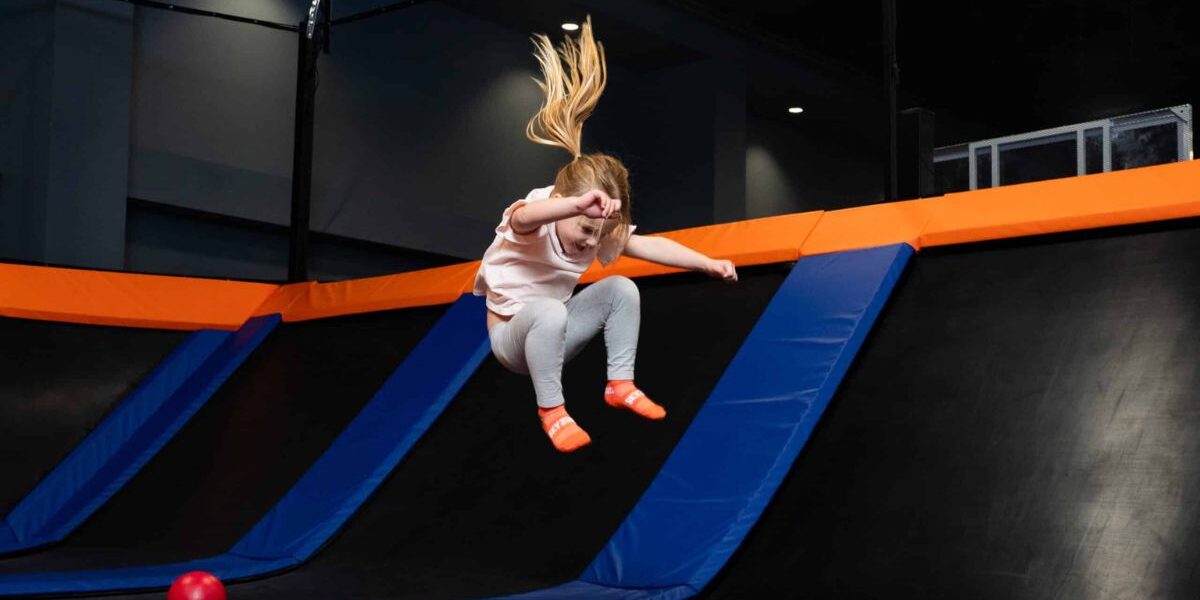
Sky Zone is part of the indoor entertainment segment, but its appeal goes beyond simple amusement. The parks are designed around active experiences that blend fun, movement and social interaction. Attractions such as trampolines, foam pits, party rooms and other interactive features create a broad customer base that includes families, kids, schools and community groups.
Rao believes that wide appeal is a major strength. Children are excited by the variety of experiences, from dodgeball courts to ninja warrior-style activities. Parents appreciate that the concept encourages physical activity and offers children a break from screen-heavy routines.
That customer value supports larger brand momentum. Sky Zone launched in 2004 as a single trampoline park in Las Vegas and has since become a leader in the category, welcoming 40 million guests every year across parks in the U.S. and Canada. The brand added nine franchise locations in 2024, and it anticipated another 20 this year to reach a total of 250, with a target of 300 by year’s end.
Those numbers show why operators with scale ambitions continue to pay attention.
The Shift Was Not Easy
Although Rao had strong business credentials, the transition from technology to consumer services was far from smooth. Entrepreneurship required him to operate in a completely different rhythm. Corporate structure gave way to constant problem-solving, long hours and a schedule that no longer respected weekends.
He has said that one of the biggest early obstacles was simply learning to deal with uncertainty. The workload was nonstop, and success depended on adapting quickly to new realities. That kind of pressure is common in owner-operator businesses, especially in sectors built around guest experience.
Rao relied on two things to manage that pressure. First, he used the strategic thinking he developed in his corporate career to create systems that could scale. Second, he leaned on the support of the Sky Zone leadership team, which he says helped create an environment of collaboration, trust and shared growth.
Mentorship and Culture Drive the Business Forward
As the portfolio has expanded, Rao says one of the most satisfying parts of ownership has been the ability to create joy for families and meaningful opportunities for employees. Many people on his team are early in their careers, and he takes pride in mentoring them and helping them grow professionally.
He believes that a culture centered on respect and development has a direct effect on the guest experience. Employees who feel supported are more engaged, and that energy carries into the customer-facing side of the business.
That focus on people is one reason his growth story stands out. It is not just about adding units. It is about building an organization that can sustain that growth.
An All-In Strategy That Still Shapes the Future
Nearly 10 years after buying his first location, Rao says the all-in mentality still defines how he operates. The daily priorities may change as the business grows, but the commitment remains the same.
His advice to others considering franchise ownership is straightforward. Find a business you believe in completely, build with the right people and do not be afraid to commit. The process will be difficult, but the rewards can be significant on every level.
For anyone watching the family entertainment franchise space, Rao’s expansion path shows what is possible when a strong operator fully commits to a proven brand and executes with discipline.