
Why Döner Haus Is Scaling Fast: A Technology-First Franchise Model
If you analyze the fastest-growing QSR brands today, one pattern becomes obvious—they are built on systems, not just menus. Döner Haus is a clear example of this evolution.
Its growth is not driven solely by product demand. It is driven by a deliberate decision to make technology the backbone of the entire business.
Building a Restaurant Like a System
Most restaurant brands start with food and add systems later. Döner Haus took the opposite approach.
From the beginning, the focus was on designing a model that could operate efficiently at scale. Technology was integrated into the foundation, not layered on afterward.
This changes everything. It reduces friction, simplifies operations, and creates a structure that can be replicated across multiple locations.
Efficiency Is the Real Competitive Edge
In franchising, complexity is the enemy of scale. The more moving parts a business has, the harder it is to grow.
Döner Haus eliminates unnecessary complexity through a focused menu, a compact footprint, and technology-driven workflows. Self-ordering kiosks, streamlined processes, and integrated systems allow each unit to operate with precision.
For franchisees, this means fewer operational headaches and more control over daily performance.
From Idea to Opportunity
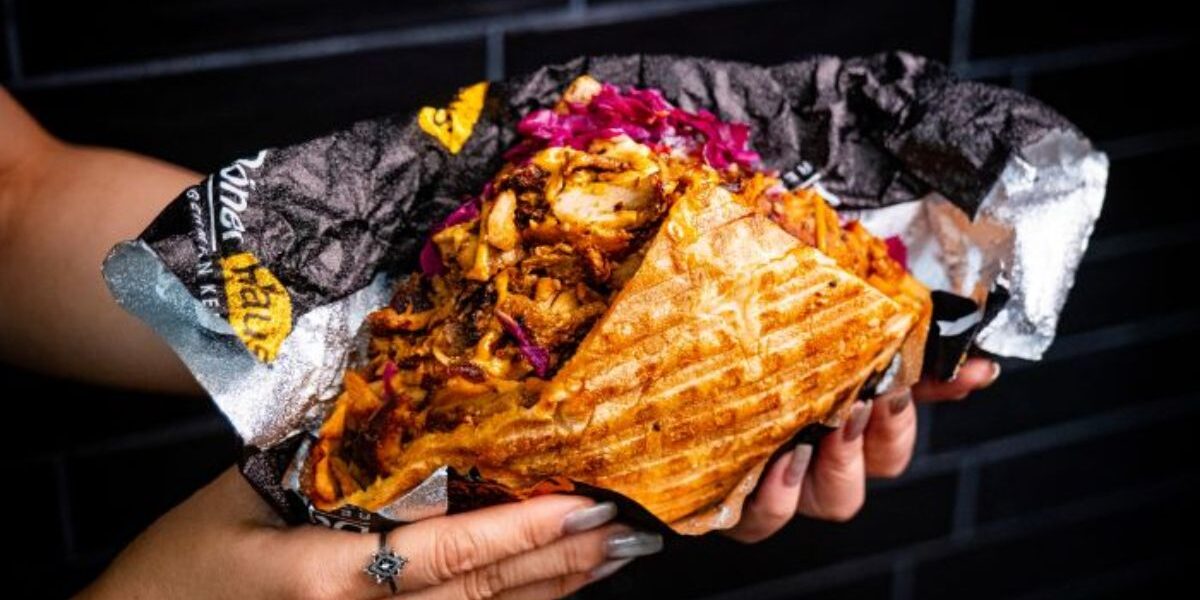
The concept itself fills a clear gap in the U.S. market. Döner kebabs are a dominant street food category in Europe, yet remain underrepresented in North America.
By bringing this product into a structured, scalable format, Döner Haus combines novelty with operational discipline. The result is a concept that is both differentiated and practical.
Consistency Through Systems, Not Oversight
One of the biggest challenges in franchising is maintaining consistency as the network grows. Many brands rely heavily on management oversight to enforce standards.
Döner Haus takes a different approach. Its systems are designed to guide execution in real time. From training modules to task verification and reporting, everything is built into a centralized platform.
This reduces reliance on individual operators and creates a more predictable outcome across locations.
Data Changes How Decisions Are Made
The shift toward data-driven operations is one of the most important trends in franchising. Döner Haus embraces this fully.
Operators are not guessing what works—they are using real-time insights to make decisions. This includes everything from inventory management to performance tracking.
The result is a business that can adapt quickly and operate with greater precision.
A Model Built for What Comes Next
What stands out about Döner Haus is not just its current growth, but how it is positioned for the future.
The brand’s infrastructure allows it to evolve without disrupting operations. Whether it’s adding new features, refining processes, or expanding into new markets, the system is designed to adapt.
Final Takeaway
The future of franchising belongs to brands that think like systems builders. Food matters, but structure matters more.
Döner Haus is proving that when technology is integrated into the core of the business, growth becomes more predictable, operations become simpler, and scaling becomes faster.
For anyone evaluating franchise opportunities, that’s a model worth paying close attention to.