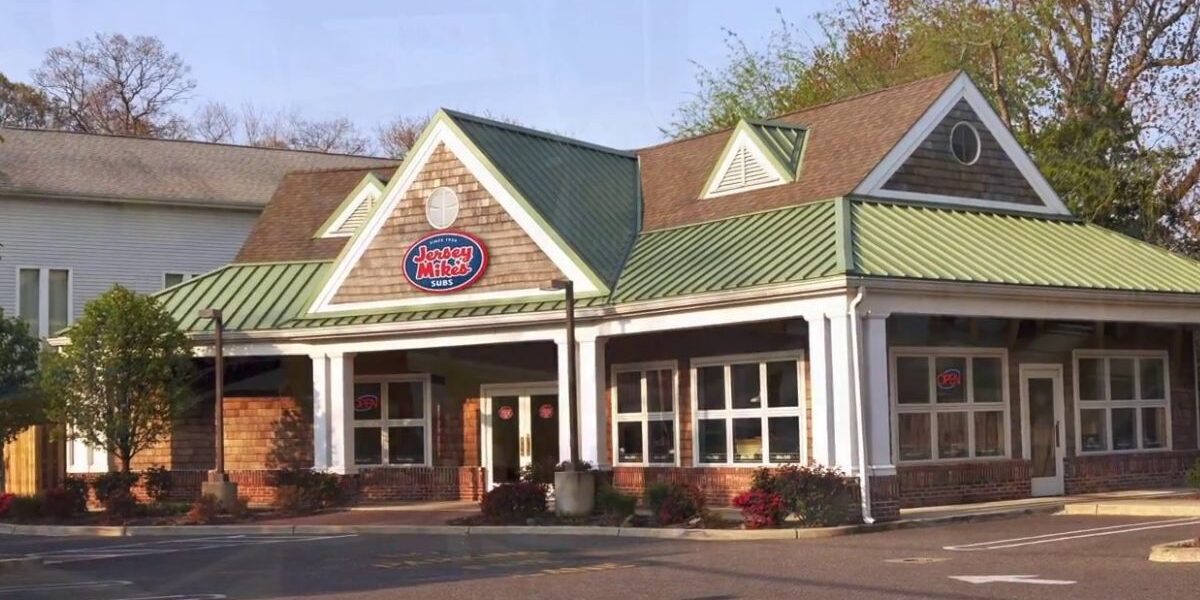

Jersey Mike’s has come a long way from the small New Jersey sandwich shop where its story began.
The company now operates approximately 3,300 restaurants throughout the United States and has completed an initial public offering worth around $1 billion. Jersey Mike’s shares began trading on the New York Stock Exchange under the symbol JMKE.
The company offered 43.5 million shares at $23 each. When public trading started, however, the stock opened at $21. It recovered slightly during the day and closed at $21.63, leaving it around 6% below the IPO price.
While the first day did not deliver the increase some investors may have expected, Jersey Mike’s entered the market with a growing restaurant system and strong consumer recognition.
From a Local Sandwich Shop to a National Name
The roots of Jersey Mike’s date back to 1956, when the original shop opened in Point Pleasant, New Jersey. Peter Cancro purchased the business as a teenager in 1975 and later developed it into the Jersey Mike’s franchise known today.
Cancro remains an important shareholder even after private equity firm Blackstone acquired majority ownership in November 2024. The deal valued the company at nearly $8 billion.
The business has continued expanding under its new ownership structure while preserving the franchise model that supported much of its growth.
Around 99% of Jersey Mike’s restaurants are operated by franchise owners. The company now has locations in every U.S. state, giving it a national presence that few sandwich franchises have achieved.
Jersey Mike’s Outperforms Much of the Restaurant Industry
The IPO follows a period of impressive financial growth.
Systemwide sales increased by 13% to approximately $4.3 billion in fiscal 2025. Average annual sales per restaurant were around $1.4 million, while the company reported close to $55 million in net income.
Existing restaurants also performed well. Jersey Mike’s same-store sales rose by roughly 50% between 2020 and 2025.
That growth is significant when compared with the wider restaurant market. Restaurants open for at least one year recorded average sales increases of only around 3% during 2025.
Jersey Mike’s achieved its results despite the challenges facing the food-service industry, including inflation, higher wages, increased supply costs and changes in customer spending.
Why Customers Keep Returning
Jersey Mike’s appears to have benefited from a customer base that is somewhat less affected by economic pressure.
CEO Charlie Morrison has explained that the average Jersey Mike’s customer tends to have a slightly higher income. This can help protect the business when inflation causes households to reduce discretionary purchases.
The company has also reported a return in customer traffic. Much of its recent same-store sales improvement has been connected to transaction growth, meaning the restaurants are serving more orders instead of depending entirely on higher prices.
A loyalty program with more than 12.5 million active members gives Jersey Mike’s another way to encourage repeat visits. The brand is supported by more than $200 million in advertising spending, helping it remain visible in both new and established markets.
Customer Satisfaction Becomes a Competitive Advantage
Jersey Mike’s recently reached first place in a widely followed quick-service restaurant customer satisfaction ranking.
The result moved Jersey Mike’s ahead of Chick-fil-A, which had remained in the leading position for the previous 11 years.
This recognition is especially important for a large franchise system. Customers expect the same food quality, service and experience whether they visit a restaurant in New Jersey, California or any other state.
Maintaining those standards will become more challenging as the company continues to add locations, but it will also be essential to its future growth.
Leadership With Previous IPO Experience
Charlie Morrison became CEO after Blackstone took control of the company. He is no stranger to leading a publicly traded restaurant franchise.
Morrison previously led Wingstop when it completed its stock market debut in 2015. His experience could help Jersey Mike’s manage the transition from a privately held brand to a company that must regularly report its performance to public shareholders.
Investors will expect clear financial results, responsible expansion and continued growth at the restaurant level.
How Jersey Mike’s Will Use the Money
More than 13 million shares in the IPO were sold directly by Jersey Mike’s. The company plans to use the proceeds from those shares to repay certain debt and cover general corporate purposes.
Paying down debt can strengthen the balance sheet and give the company more freedom to invest in its operations. Possible priorities may include franchisee support, digital ordering, loyalty technology, marketing and future restaurant development.
The remaining shares included in the offering were sold by existing shareholders, meaning those proceeds will not go directly to the company.
The Next Challenge for Jersey Mike’s
Jersey Mike’s first day on the stock market was mixed. The company successfully raised substantial capital, but its shares closed below the original offering price.
The more important question is what happens next.
Jersey Mike’s has strong restaurant sales, thousands of franchise locations and millions of loyal customers. It has also shown that it can grow during a difficult period for the restaurant industry.
Becoming a public company brings new pressure, however. Jersey Mike’s must satisfy investors without losing focus on franchise owners and restaurant customers. If it can maintain that balance, its $1 billion IPO may become another major turning point in the company’s long history.